This website use cookies to ensure you get the best experience on our website
Recording Workflows
by Jan 'Yarn' Muths of Mix Artist Studio, February 2023
Let's have a look at the 3 most common recording workflows:
- Overdub Recording
- Live Recording in the Same Room
- Live Recording in Separate Rooms
- Summary
|
Workflow |
Speed |
Editing |
Musical Feel |
Studio Requirements |
|---|---|---|---|---|
|
Overdub Recording |
Slow |
Excellent |
Can feel sterile, disconnected |
Any Studio |
|
Live Recording in the Same Room |
Fast |
Limited |
Excellent |
Large Live Room, Experienced Engineer |
|
Live Recording in Separate Rooms |
Fast |
Excellent |
Excellent |
Purpose Built Studio, Experienced Engineer |
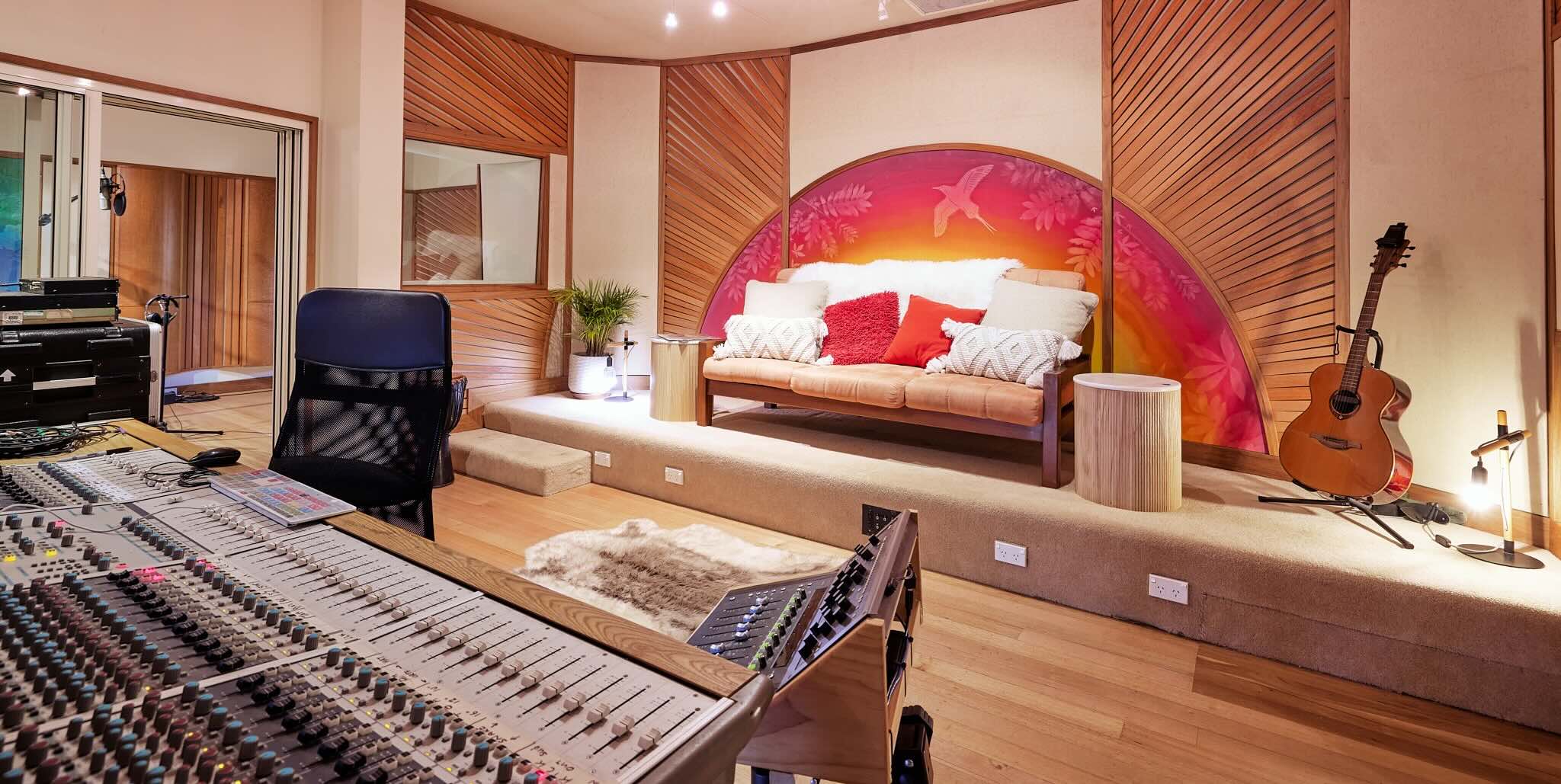
Overdub Recording
Pros:
- Maximum control and sound separation
- Virtually zero editing restrictions
- Ideal for home studios or studios with one small live room
Cons:
- Time-consuming
- Can lack "feel" and sound "lifeless" or "sterile"
- Square eyes from spending lots of time working in the DAW
Recommended for:
- Metal, Modern Pop, EDM, some Rock
- Musical perfectionists
Overdub recording is a popular technique used in home studios and high-end recording studios alike. In overdub recording, instruments are recorded one after the other, often starting with the drums playing along to a click-track or scratch track. Once the first instrument is completed, the next instrument is recorded on top, pretty much like layers in a lasagne. Often, the recorded performance is compiled and edited in the DAW before the next layer is added on top, creating musical takes of near-perfection, unreal!
One of the best things about overdub recording in a modern DAW like Pro Tools, Logic or Ableton Live is the level of control. It's like they have a magic wand that can make any sound appear or disappear with a flick of their wrist. We can re-record, punch-in and edit each instrument until it's absolutely perfect (or until everyone's sick of hearing it). And since everything is recorded separately, we don't have to worry about screwing up one part and ruining the whole song. It's like playing musical Legos, building each piece one by one until the final creation is a masterpiece.
But let's be real, not everything is sunshine and rainbows with overdub recording. One of the biggest downsides is the lack of spontaneity. Musicians can't just feed off each other's energy and come up with something brilliant on the spot. Instead, they have to meticulously plan out each part and play it alone in a sound booth like some kind of a musical hermit. It's like trying to make a stew without tasting it along the way - you can follow the recipe perfectly, but it might still end up tasting like cardboard.
Since every instrument is recorded one after the other, more studio time may be needed, thus increasing cost. Alternatively, you may want to take all the time in the world to record at home, but you might need to buy or rent additional equipment, like fancy microphones or interfaces with enough inputs for drums. And recording at home rarely ends up sounding as good as what a high-end recording studio can do for your sound.
And one last word of advice: at home, everything always takes twice as long as you plan for. Being a home recording engineer means bracing yourself for troubleshooting: driver issues, crackling cables and crashing software. You may have to deal with annoyed bandmates, who complain about bad headphone mixes or troublesome latency.... in short, home recording can be very frustrating.
Nothing kills the creative flow like frustration does.
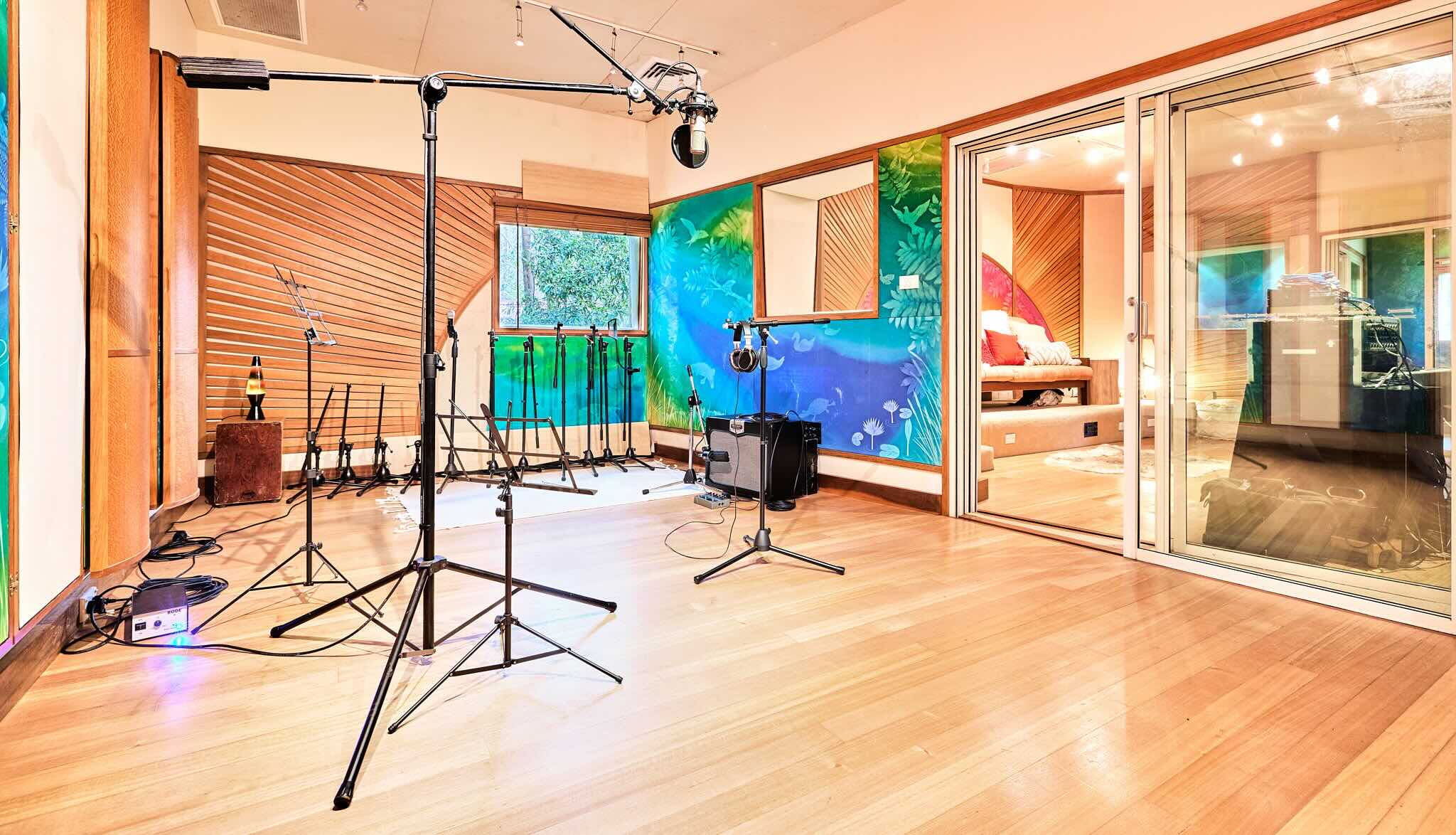
Live Recording in the Same Room
Pros:
- Fast and authentic
- Good creative feel and musical flow
- Allows for musical spontaneity
Cons:
- Spill needs to be carefully managed (experienced recording engineer recommended)
- Limited editing possibilities
- More microphones, inputs and headphones required
Recommended for:
- Jazz, Folk, Acoustic Pop, some Rock
- Well-rehearsed live bands
- Whenever maximum vibe is desired.
Recording live in the same room can be a fun time, as it feels closest to being on stage together. It's a recording technique where all the musicians play together in the same room and the sound is captured by microphones placed strategically throughout the space.
This can lead to a "vibey" and authentic sound that can capture the energy and emotion of a musical performance beautifully. One of the most significant advantages of live recording is the level of spontaneity it can create. Musicians can feed off each other's energy, building and evolving the sound as they play. This can lead to a more natural and organic feel, as the musicians can make small adjustments in real-time to create a cohesive sound. It's like a musical game of catch - you never know what you're going to get, but you're excited to see what happens next.
Live recording can also save time and money. Since everyone is playing together in the same room, there is less need for overdubs and additional takes. This can speed up the recording process and save money on studio time, which is great news for musicians on a budget. Additionally, live recording can create a unique sound that can be difficult to achieve with other recording techniques, which can set a band apart from the rest of the pack.
However, live recording is not without its challenges. One of the biggest considerations is spill (aka. bleed), which is when sound from one instrument or microphone seeps into another. This can create a messy and muddled sound that can be difficult to manage in the mix. Recording live in the same room means navigating through a few recording pitfalls, so we warmly recommend teaming up with an experienced engineer who's comfortable and experienced with recording live in the same room.
Another potential issue with live recording is the setup. Musicians have to be positioned in a way that allows the microphones to capture the sound evenly, which can be tricky if there are multiple instruments involved. And if anyone moves around too much, it can throw off the balance of the recording. It's like trying to organize a group photo with a bunch of hyperactive toddlers - you have to be quick and decisive, or you'll end up with a blurry mess.
Additionally, live recording can be stressful for musicians, as they all have to play flawlessly in one take. When one musician makes a mistake, it is also audible on the other musician's microphones. Therefore, everyone has to rerecord - there's no safety net of "let's fix that in Pro Tools later". However, in a high-end recording studio, the entire band can be punched-in and fix up mistakes this way.
Live recording in the same room can be a thrilling and rewarding experience. It can capture the energy and emotion of a live performance in a way that overdub recording simply can't match. But it's not without its challenges, like spill and setup issues. Ultimately, it's up to musicians to decide whether the benefits of live recording outweigh the risks. Just remember, if you're going to try this technique, make sure to stay relaxed, take breaks and hydrate. Otherwise, you might end up like a wilted flower instead of a rock star.
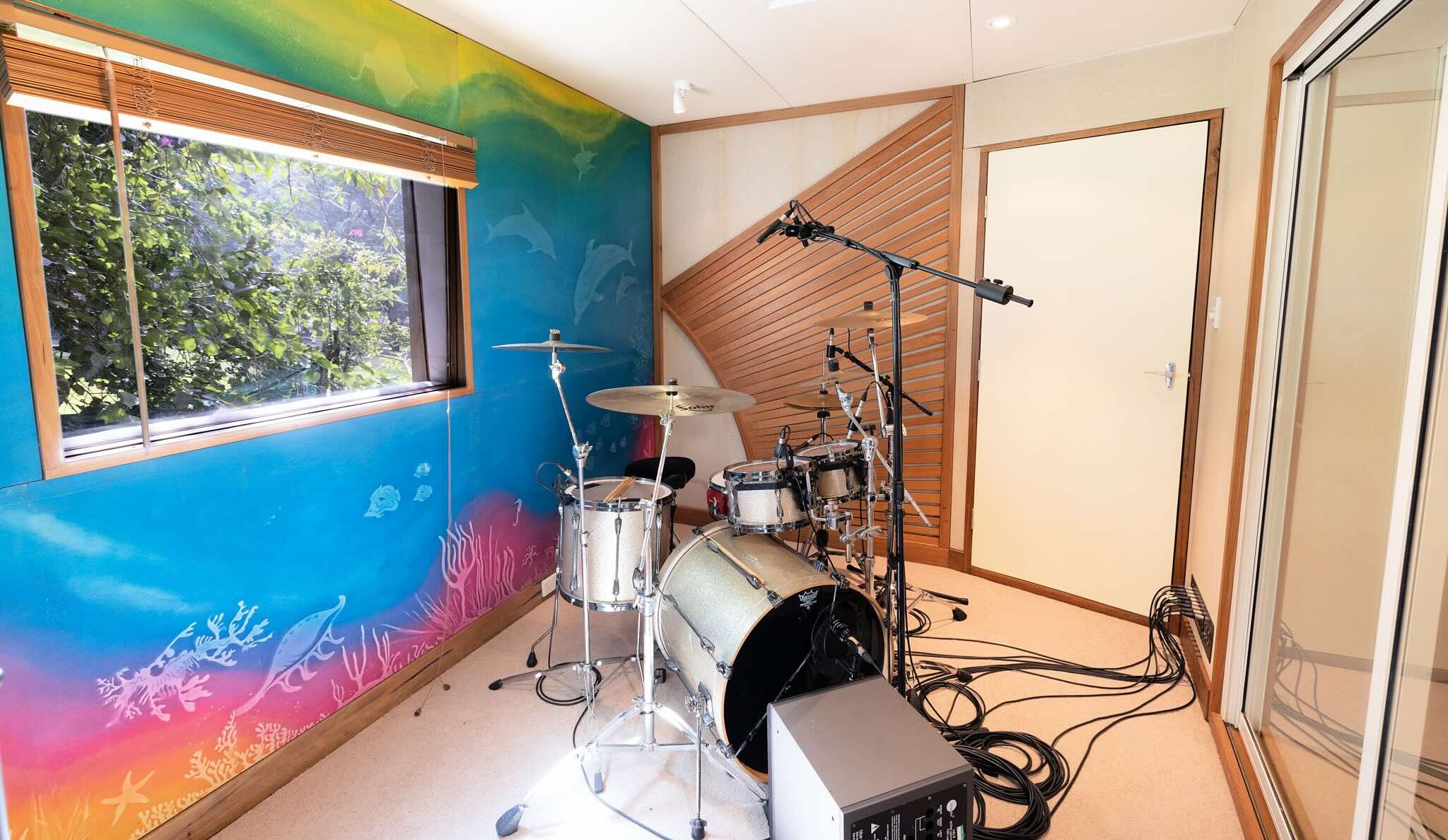
Live Recording in Separate Rooms
Pros:
- Best "bang for the buck"
- Can save studio time
- Virtually zero editing restrictions
Cons:
- Musicians may not be able to see each other
- Additional communication microphones may be needed
- Requires a high-end recording studio
Recommended for:
- Most genres
- Well-rehearsed live bands
- Whenever maximum vibe is desired.
Recording a band live in separate rooms is a recording technique where each musician is isolated in their own recording booth or live room, and the sound is captured by microphones placed strategically in each room. This workflow combines the best of both worlds; the fast and spontaneous workflow of recording live, with the separation and editability of overdub recording. To achieve that, you need acoustically separated rooms so that the drums don't spill through the closed door into the vocal microphone. Unfortunately, most rehearsal rooms and residential homes don't cut it here, live recording in separate rooms is mostly reserved for high-end recording studios.
One of the significant advantages of recording live in separate rooms is the level of control it provides. Each musician can be recorded individually, allowing for more precise editing and mixing. This can be especially useful for bands that are looking for a polished, radio-ready sound without spending too much time in the studio.
Recording in separate rooms can also allow for more flexibility in terms of sound. Each musician can use their preferred gear and settings, without worrying about how it will affect the overall sound. This can lead to a more diverse and interesting mix, as each musician's unique sound can shine through.
However, recording in separate rooms can also come with its own set of challenges. One of the most significant issues is communication. Since each musician is isolated, it can be challenging to communicate effectively and make sure everyone is on the same page. This can lead to misunderstandings and mistakes, which can be costly in terms of time and money. It's like trying to play a game of telephone with a group of strangers - you might end up with a completely different message than what you started with.
Another potential issue with recording in separate rooms is the lack of visual cues and the inability to read each other's body language. There might be less room for improvisation and experimentation. This can lead to a more sterile and formulaic sound, which can be a turnoff for fans who are looking for something more raw and authentic.
Setup can also be a challenge when recording in separate rooms. Each musician's booth needs to be carefully set up to ensure that the sound is captured evenly and accurately. Individual headphone mixes and communication microphones may be needed. This can be time-consuming and requires significant investment in equipment and resources, which is commonly only found in high-end recording studios.
FAQs
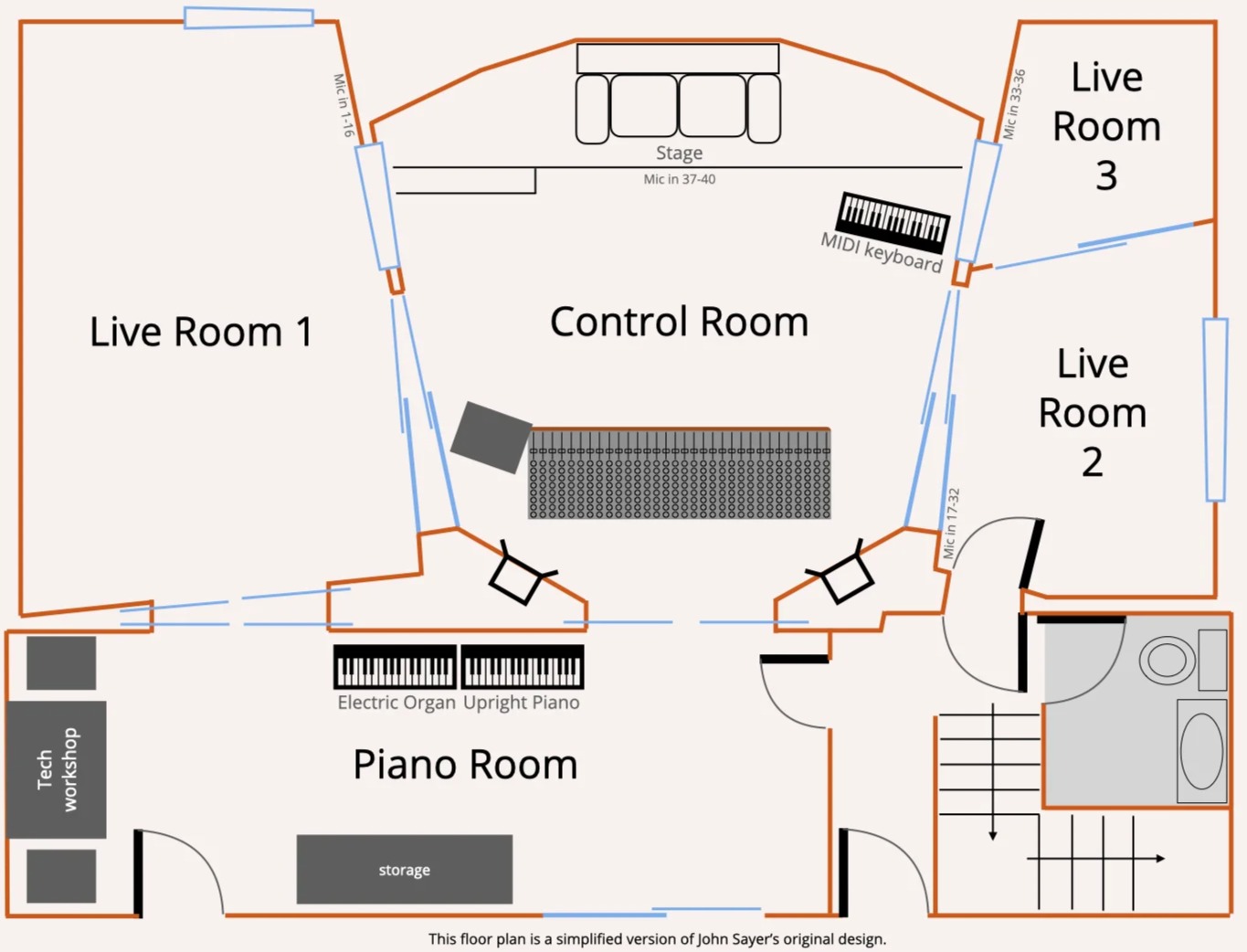
For most beginners, overdub recording is a great, low-pressure way to start. When you are new to the studio environment, trying to nail a performance while tracking an entire band simultaneously can feel overwhelming. Overdubbing allows you to focus on just one track at a time (like laying down your rhythm section first, then layering vocals or solos). It removes the technical friction, gives you room to make mistakes, and lets you build your song step-by-step without worrying about ruining a take for anyone else. However, if your music relies entirely on the raw energy and chemistry of playing together, a live recording in separate rooms is the ultimate compromise. Because our studio features large line-of-sight glass windows between our 3 separate live rooms and completely independent headphone mixes, you still get the comfort and high vibe of playing together live, but with the acoustic separation needed to easily clean up or overdub any mistakes later.
Not inherently - it just sounds different. "Better" depends entirely on your musical goals. Overdub recording often sounds cleaner, more precise, and highly polished because every instrument is isolated and perfected individually. Live recording, on the other hand, captures the intangible "vibe" - the natural push-and-pull of human timing and collective energy that defines a great band performance. At Mix Artist Studio, we don't believe you should have to sacrifice sound quality for energy. By utilising our 3 separate live rooms and 3 individual headphone mixes, we can capture that magical live chemistry while maintaining pristine, high-fidelity sound isolation.
Not at all! In fact, when managed correctly, microphone bleed can be the secret sauce of a great record. When a band plays together in the same room, acoustic bleed (like the drums spilling slightly into the guitar mics) creates a natural, glued-together sense of space that artificial reverbs can rarely replicate. It sounds cohesive because the band is genuinely sharing the same air. Bleed only becomes "bad" if it gets out of control and prevents you from fixing a mistake or mixing a specific instrument properly. That’s exactly why we love the middle-ground approach of live recording in separate rooms - large glass windows give you the visual connection to play cohesively, while the physical walls eliminate accidental bleed so you get total mixing flexibility.
Yes, absolutely - especially if you choose the right workflow. If you record a live band in the same room, editing becomes very tricky because any mistake made by one musician will be permanently "baked into" the microphones of the other instruments via bleed. However, experienced engineers may still be able to fulfil most editing requests. This said, if you track live in separate rooms, editing is straightforward. Because each instrument is acoustically isolated in its own space, we can easily jump in to edit a bass line, punch in a corrected guitar chord, or re-record a drum-fill later without touching the rest of the band's flawless take. It gives you all the freedom of digital editing without losing the spirit of a live performance.
Any genre where the music "breathes" and relies heavily on interaction between musicians benefits immensely from live recording. Think Jazz, Blues, Funk, Rock, and Folk/Acoustic ensembles. These genres thrive on improvisation, dynamic shifts, and subtle shifts in tempo that happen naturally when players lock eyes and groove together. If you are making tight Pop, Electronic, or modern Metal music where absolute grid-perfection and heavy sample-layering are required, the overdub method is usually the standard path. But if your band’s identity is forged in the rehearsal room or on stage, tracking live is how you capture your true sound.
Summary
Speak to your fellow band members about your preferred way of recording. Don't worry too much about what other bands do, and don't think in terms of wrong or right. Instead, decide on the recording workflow that feels best for everyone, and it's perfectly fine to trust your gut feeling.
To a large degree, the success of your music depends on whether it makes the listeners feel something. So, when you record, you need to put all these feelings into your performance, which is not an easy task.
A productive recording workflow starts with eliminating all disruptions that distract you from dedicating yourself 100% to your musical performance. You know what I mean if you've ever been deep in the musical zone, and then a driver error message popped up on the screen. Quickly download and install an update, ...and you've been sidetracked from the emotion of the song - the magic is gone.
Recording should feel smooth and effortless, and when you perform, your mind should be clear and calm like a Scandinavian lake, without anything rippling the surface. Deciding on a recording workflow and environment that suits you like a glove is one of the most important decisions you can make.
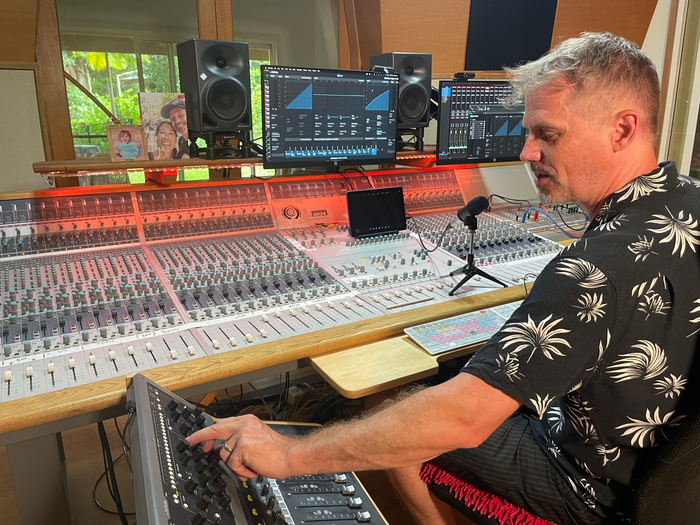
All these thoughts were on my mind when planning the most recent studio upgrade. Mix Artist Studio is very well prepared for all different recording workflows, and our staff is trained not only to produce exceptional sound but to also facilitate a smooth, productive recording environment for the artists - quickly and effortlessly. From clean communication signals to individual headphone mixes and large glass windows between the 3 separate live rooms, the list goes on. Because of all the work we've put into preparing, it is not uncommon for us to comfortably record one or two songs in a day (including soundcheck!), without anyone ever feeling rushed or under the pump.
Jan 'Yarn' Muths 2023 at Mix Artist Studio