This website use cookies to ensure you get the best experience on our website
How We Captured the Magic Behind Emily Lubitz’s #1 Album Two Black Horses
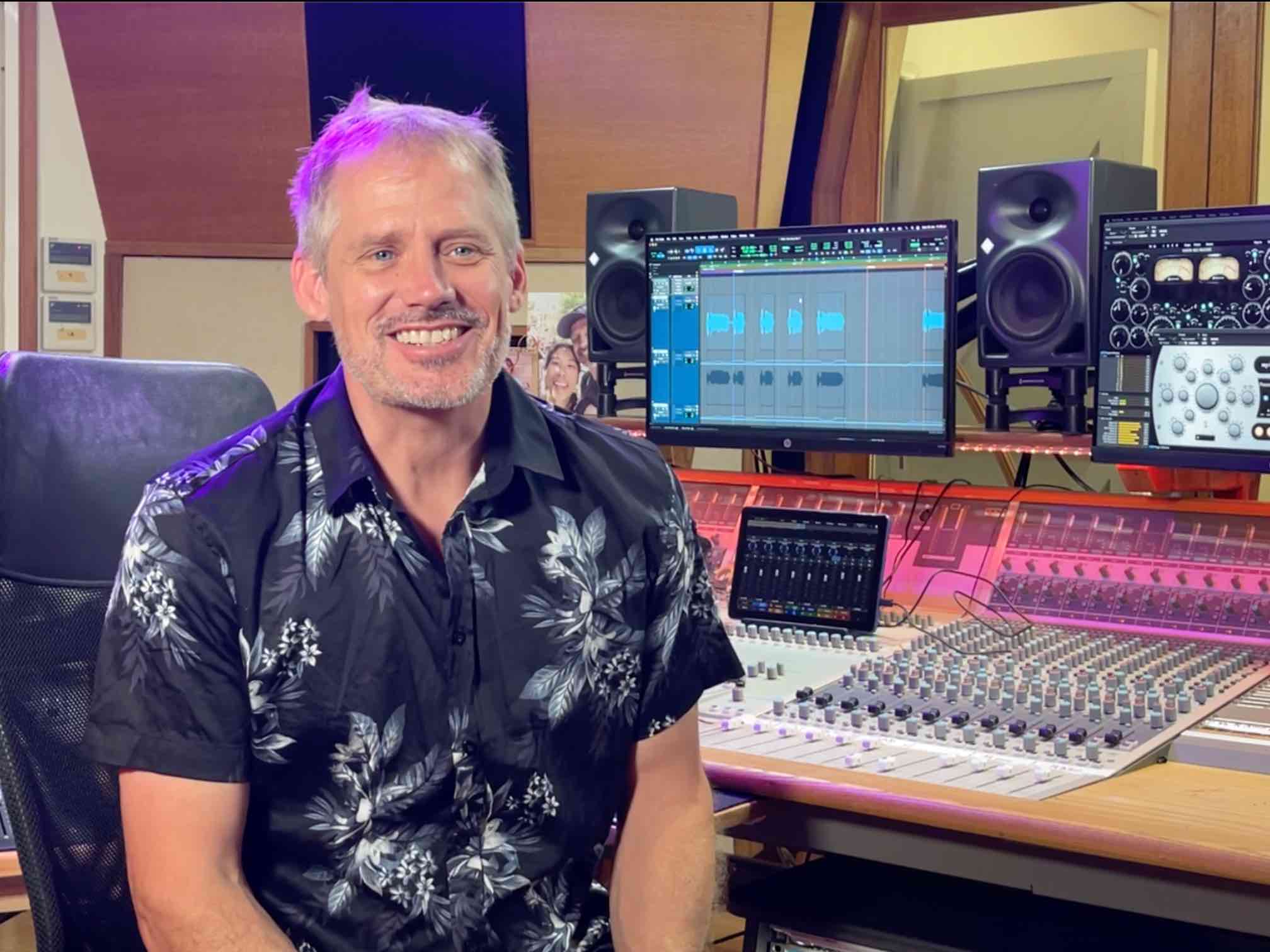
by Jan 'Yarn' Muths of Mix Artist Studio, Mullumbimby, published July 2026
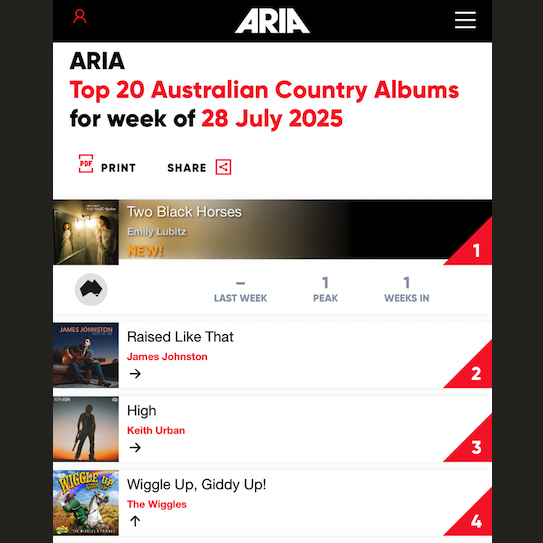
In July 2025, Emily Lubitz’s album debuted at #1 in the ARIA Top 20 Australian Country Album Charts
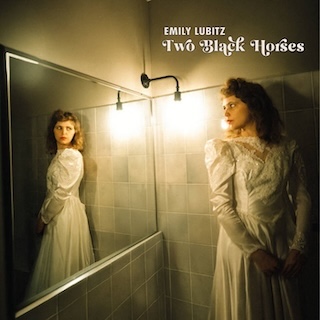
Reaching #1 on the ARIA Top 20 Australian Country Album Charts was already an incredible achievement. Her album also surpassed releases from country music heavyweights including Keith Urban and The Wiggles, who sat at #3 and #4 respectively.
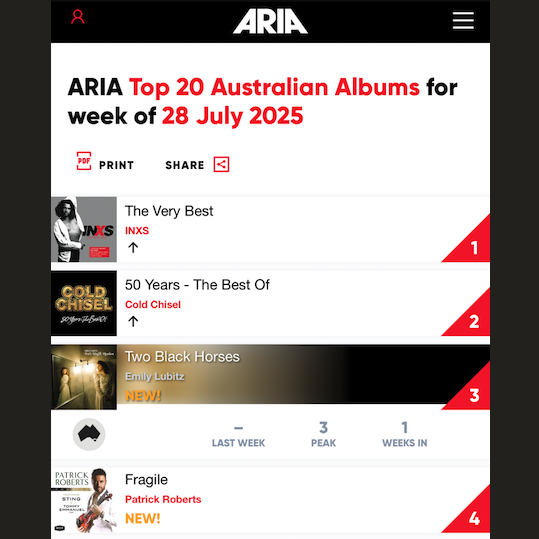
The album’s success extended beyond the country charts, with Two Black Horses debuting at #3 on the Top 20 Australian Album Charts, behind only INXS and Cold Chisel.
For me, seeing that recognition was incredibly rewarding - not only because I had the privilege of engineering the band recordings at Mix Artist Studio, but because it represented everything I value about the recording process: talented musicians, meticulous preparation, a supportive environment, and the simple goal of capturing a great performance.
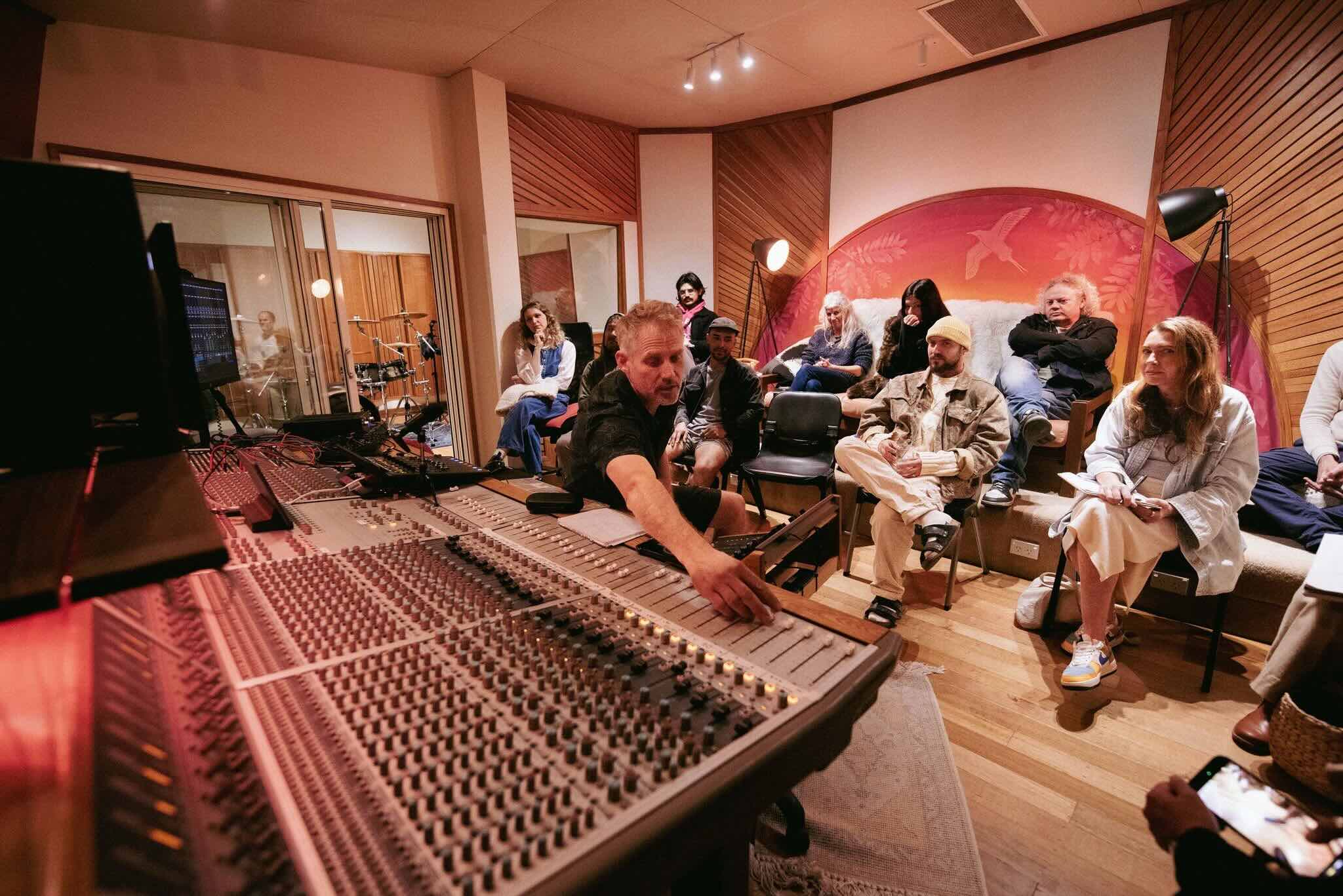
In June 2026, I had the pleasure of opening the doors of Mix Artist Studio for MusicNSW’s New Wave event "From Studio to Stream". The day was designed to give artists insight into the journey from creating music in the studio through to releasing and promoting an album.
Emily joined us to talk about the publishing and marketing side of her album, while I took artists behind the scenes of the recording process - opening the Pro Tools sessions for the Two Black Horses song "A Kardashian Winter", listening to individual tracks, and explaining the decisions that helped shape the record.
It was a great opportunity to show that great recordings don’t happen because of technology alone. They happen when prepared musicians, a supportive environment, and an experienced recording team come together to capture a genuine performance.
Recording a band live in the modern studio
One of the most important creative decisions behind Two Black Horses was to record the band playing together live. The goal was to capture the natural energy that happens when musicians perform together in the same space. At the same time, we needed enough separation between instruments to allow flexibility during mixing.
The musicians involved were:
- Emily Lubitz: vocals and guitar
- Harry James Angus (The Cat Empire): producer, keys and musical direction
- Freyja Hooper: drums
- Rod Coe: upright bass
- Darren Hanlon: guitars
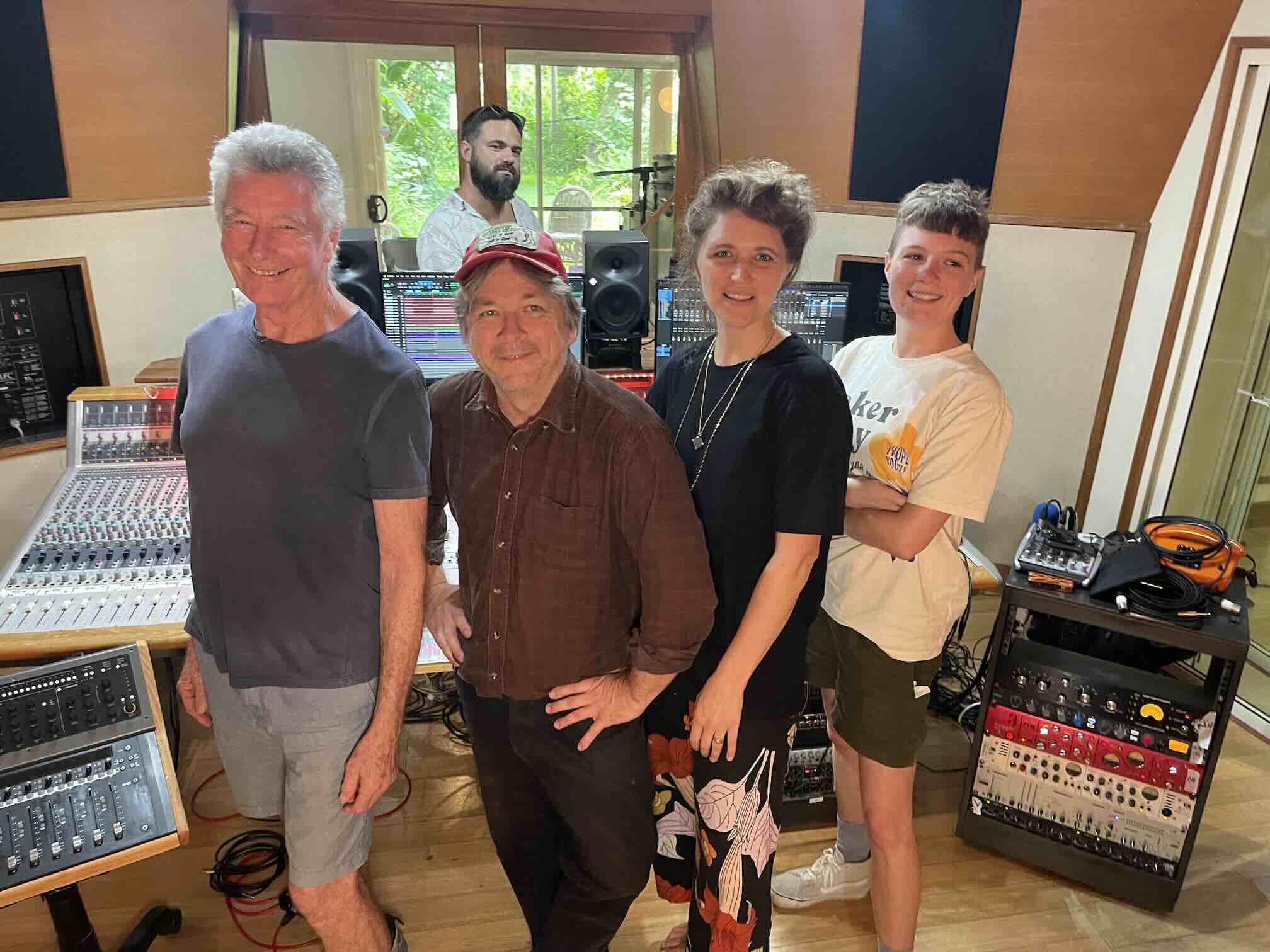
Back: Harry
L - R: Rod, Darren, Emily, Freyja
This is where the design of Mix Artist Studio becomes really important. The studio was purpose-built with three separate live rooms surrounding the control room, allowing musicians to perform together while maintaining excellent separation between instruments. This means we can capture the interaction and feel of a live performance while still having the control needed to shape the final production.
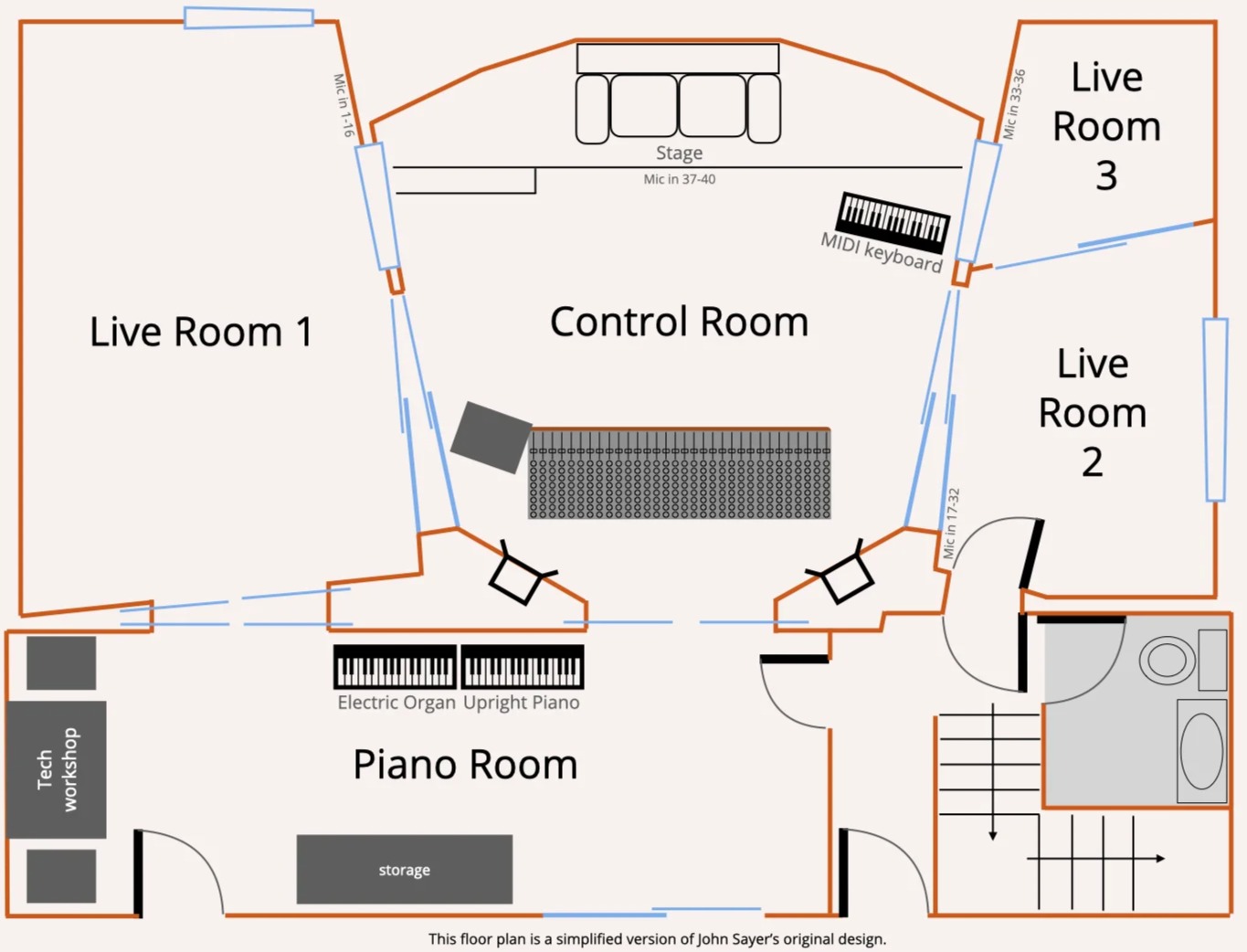
Freyja’s drums were set up in Live Room 1.
Rod’s upright bass was placed in Live Room 2, chosen for its tight and punchy low-end response with the instrument.
Darren recorded guitars in Live Room 3.
Harry played piano and electric organ in the piano room.
Emily sang and played acoustic guitar in the control room, standing on the stage or sitting on the couch .
The result was something that is increasingly rare in modern recording: a group of musicians genuinely performing together, with all the communication, feel and energy that comes from playing as a band.
Preparation is where great recordings begin
One of the biggest takeaways from this project is something I’ve seen throughout my career:
The best studio sessions are usually decided before anyone presses record.
Emily arrived extremely prepared. She had detailed notes, song arrangements, lyrics and a clear understanding of the direction of the album. The band knew the songs, understood their roles, and were well-rehearsed and ready to focus on performances.
Because of that preparation, the session moved efficiently. Quickly - but without any rush. We recorded 13 songs across four days, with nine ultimately making the final album.
A recording studio is not usually the place where a band discovers what their songs are. This work is best done beforehand, in the rehearsal room and by practicing your parts at home. Prepared like this, the studio is where great performance are captured. And Emily's recording session was a master-class in this.
Of course, creativity and experimentation are always part of the process. But having a strong foundation means more time can be spent exploring ideas rather than trying to find the song itself.

Opening the multitracks for MusicNSW
I isolated individual instruments and showed the audience the level of separation we achieved while still recording the musicians together.
You could hear the drums, bass, guitars, keyboards and vocals as individual performances - but knowing they were all recorded at the same time gave people a different appreciation of what happens during a professional tracking session.
I also showed some things that didn’t even make it onto the final album.
One example that created a few laughs was a “mouthed kazoo” sound Emily recorded as a guide for an instrumental lead-guitar section. It was never intended to be the final song - it was simply a creative placeholder that helped communicate an idea.
But that little moment actually demonstrated something important about recording sessions.
Professional recordings are not created by removing all experimentation. They are created in environments where ideas can be explored, tested and developed.
Sometimes the final magic comes from carefully planned performances. Sometimes it starts with someone making a funny sound into a microphone.
Both are part of the creative process.
Support local artists and buy Emily's album on Bandcamp
The invisible work behind a great recording
When people think about recording engineers, they often think about microphones, consoles and technical decisions. Those things are important, but a large part of the job is much less visible.
During a session like this, my role is to create an environment where musicians can focus completely on performing.
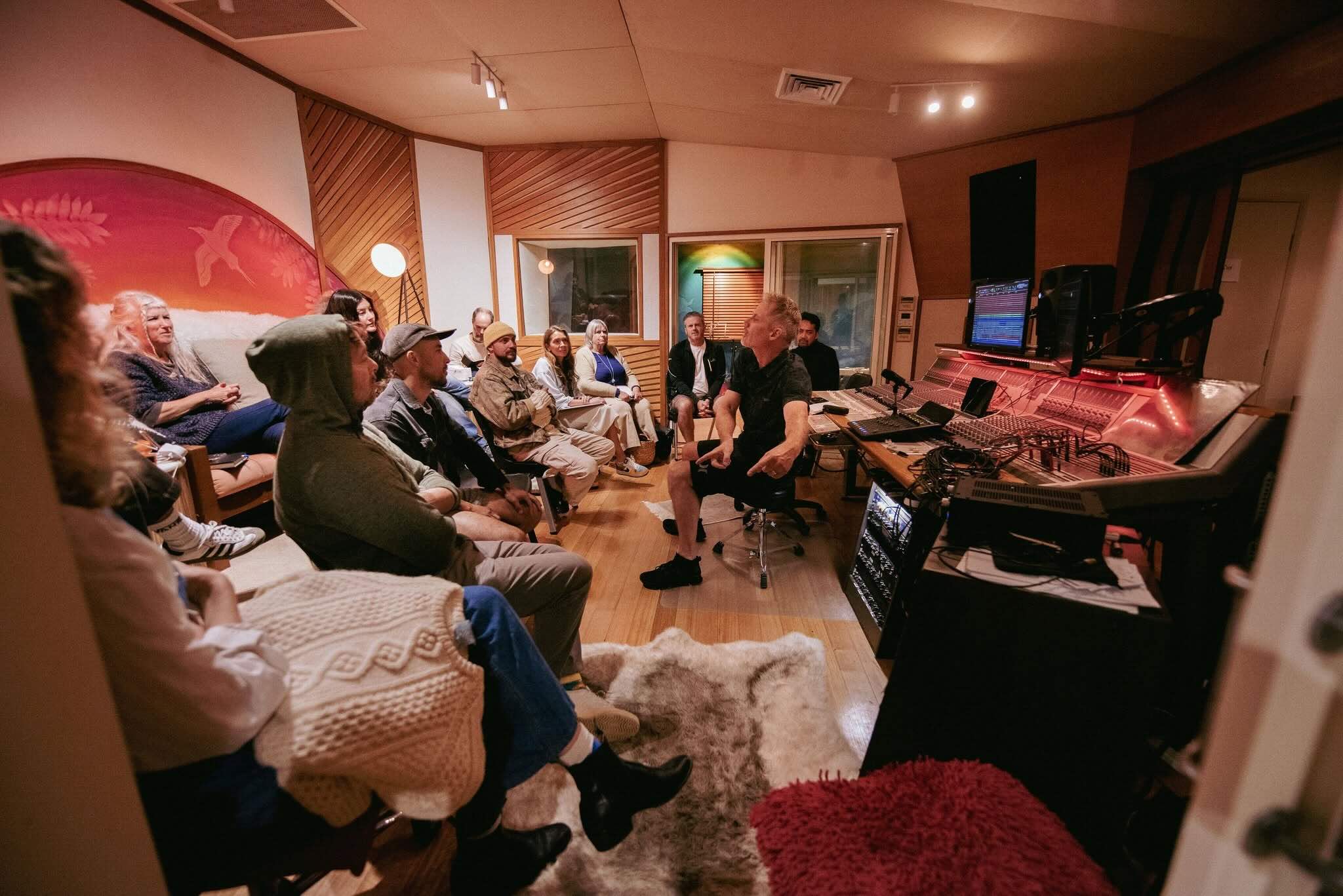
That means making sure the technical side is already taken care of:
- the studio is prepared,
- the signal paths are tested and working,
- headphone mixes feel comfortable,
- communication between musicians is easy,
- and potential problems are solved before they become distractions.
The best engineers are often the ones you notice the least. The goal is not to become part of the performance - it is to remove obstacles so the musicians can forget about the technology and focus on the music.
Advice for artists preparing to record
After more than 25 years working in studios, I still believe the biggest difference between an average recording session and a great one comes down to preparation and performance.
Here are a few things I recommend before entering the studio:
Know your songs.
Spend time rehearsing before the recording date. The more confident you are with the material, the more freedom you have to focus on emotion and performance. Put a phone in the middle and record the rehearsals, share with the band. Listen carefully, and practice your own parts deliberately. Pen and paper wins the day: write down the lyrics, the arrangement, chords and tempos. Bring the printouts to the studio and give everyone a copy.
Have a clear artistic direction.
You don’t need every detail planned, but it helps to understand what you want the music to communicate.
Bring references.
Sharing examples of recordings you love helps everyone understand the sonic world you are aiming for. It's not about copying that sound - but the broader, overall direction.
Trust the process.
A good studio session is collaborative. Bring your ideas, be open to suggestions, and allow space for unexpected moments. Speak to the engineer about the process, and how many song you can realistically record within the time available. Prioritise songs; which ones must be recorded first, and which ones can be recorded later if there's time left?
Final thoughts
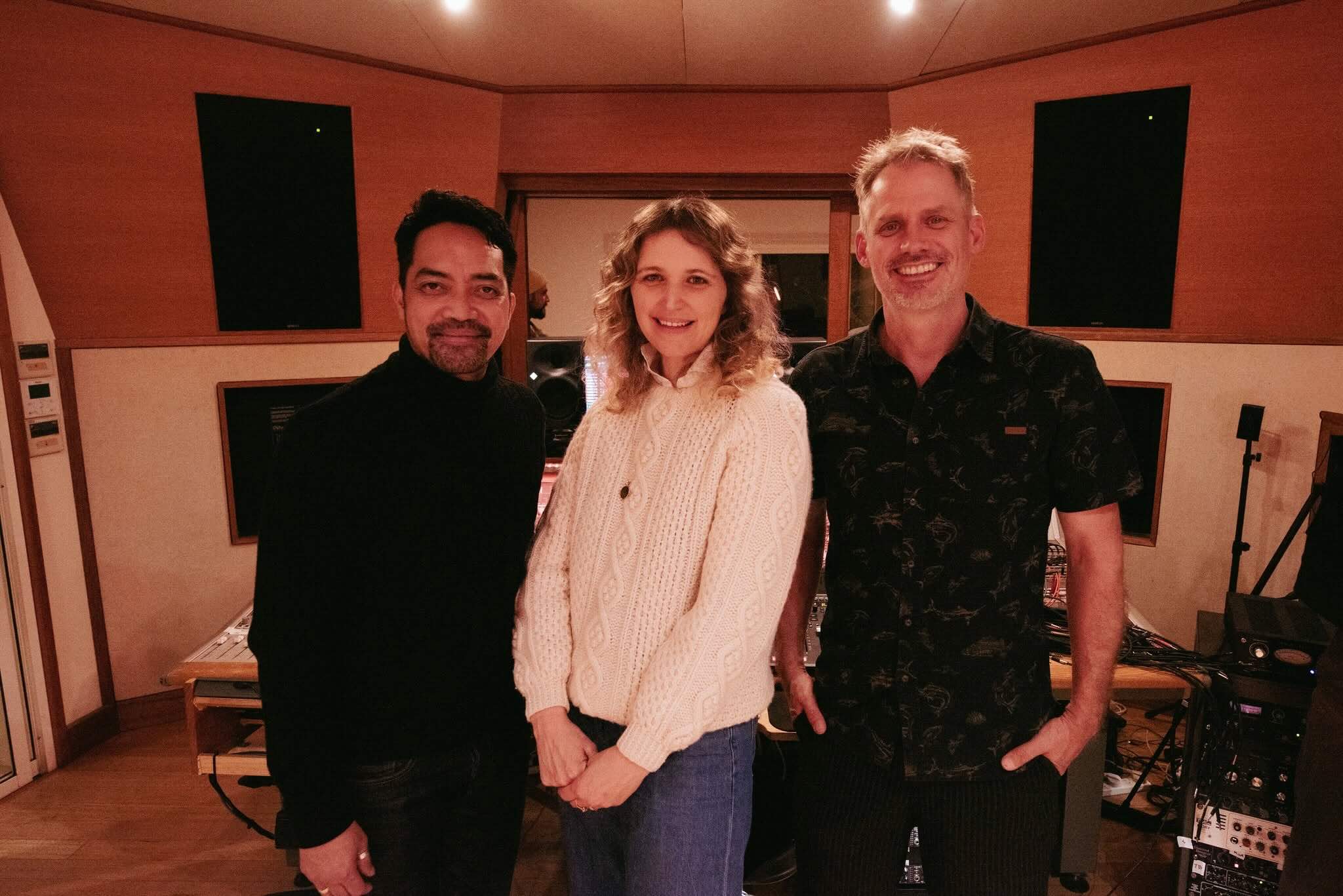
L-R: Niño Haggith (MusicNSW), Emily Lubitz, Jan 'Yarn' Muths
Recording Two Black Horses was a reminder that great recordings are built on fundamentals that have always mattered: talented musicians, preparation, communication, and a recording environment designed to support creativity.
The technology will continue to change, but the heart of recording remains the same.
Capture the performance. Support the artist. Create the conditions for the magic to happen.
A huge thank you to MusicNSW for inviting me to share this process with the local music community, and to Emily Lubitz and everyone involved in Two Black Horses for allowing me to be part of such a special recording.
If your band is preparing for a recording project and you value capturing real performances, honest communication and a studio environment designed around musicians, I’d love to hear about your music.